
How to Choose a CNC Precision Milling Supplier Online in 30 Minutes
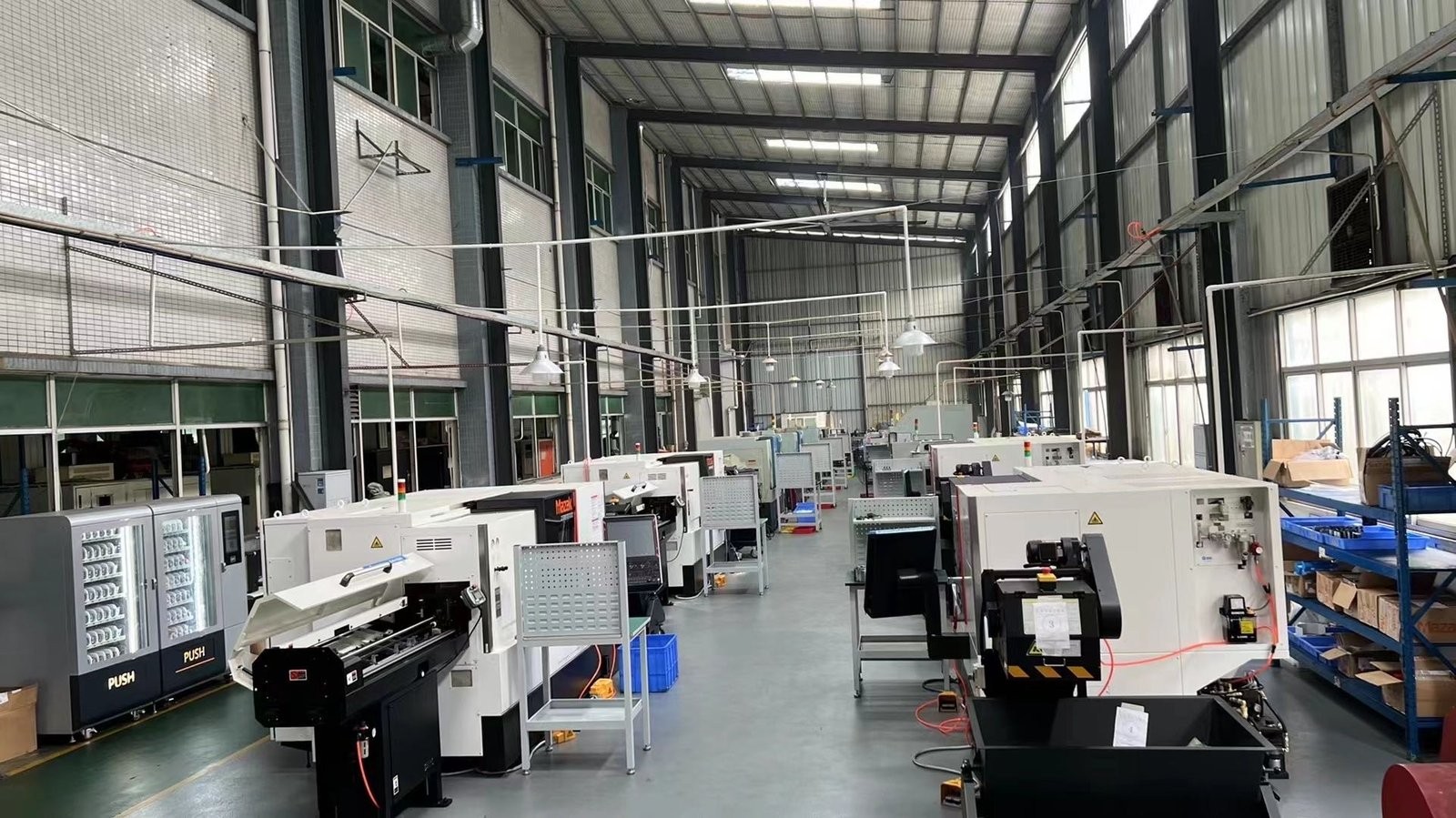
Precision milling is where the difference between a machine shop and a machine owner shows fastest, because a precision part is a stack of judgment calls, which tolerance-and-finish pair matters, which setup holds the datum, which material actually delivers the surface. A thirty-minute screen on a supplier's website, followed by one well-designed test quote, removes most of the risk before you commit a real program. This guide runs that screen in order: what to check in the first ten minutes on the site, how to test a shortlisted shop with a real drawing, how to read the quote when it lands, and which red flags end the conversation.
What can you actually verify about a precision milling shop from its website?
A website cannot prove a shop will hold your finish, but it can prove how the shop thinks, and that is what fails first. Read the capability statements the way you would read a drawing: look for numbers and boundaries, not adjectives. A credible precision milling shop states its tolerance band plainly — on this site that is ±0.003 mm for milling and turning, ±0.002 mm for grinding, with Ppk ≥ 1.67 at the initial study on key characteristics and Cpk ≥ 1.33 on general characteristics. Capability is reported per characteristic: every report names the feature, its tolerance band, the sample size, the sigma method, and the study window., and says how it verifies parts, with CMM reports mapped to GD&T callouts and finish measured on the surfaces that carry it.
Precision milling adds two things to look for on the site. First, process depth: does the shop talk about workholding rigidity, datum schemes, finishing passes, and thin-wall support, or does it only list machine brands? The machine list tells you what it owns; the process talk tells you what it understands. Second, the finish story: a precision milling supplier that discusses surface finish as a functional requirement, measured and reported, is treating finish as engineering. A site that never mentions finish is a site that has not met a sealing face yet. Look for both before you send a drawing.
Material range deserves a place in the same first pass. A precision milling supplier that names the alloys it actually cuts — and can say which ones hold a fine finish and which fight it — understands that material choice is a finish decision, not just a cost line. Aluminum machines cleanly and holds a good surface; the stainless grades work-harden at the cutting edge; titanium needs rigid workholding and conservative parameters to reach a fine finish at all. The way a shop talks about materials tells you whether it has cut them or only listed them.
The first ten minutes: a screen you can run on any site
Keep a checklist and run it in the same order every time — consistency is what makes the comparison fair. First, the process claim: is milling the actual process, stated with the geometry it is good at — multi-axis work, thin walls, contoured features? Second, the numbers: tolerances, finishes, materials, and inspection should be concrete and internally consistent — a site that promises ±0.003 mm milling but never mentions how parts are measured is missing half the story. Third, the quality system: named standards with a stated scope, not a logo with nothing to check.
Fourth, the documentation habit: does the shop say what ships with a precision part — a CMM report mapped to the callouts, finish data with the instrument named, material certificates? A shop that describes its paperwork before you ask is treating verification as part of the product. Fifth, the engineering contact: a real email address, a physical factory address, and an engineer's name attached to the responses rather than a faceless sales inbox. On this site, the quality page describes the inspection practice, and the parts page shows the geometry the floor produces. Ten minutes on those pages tells a buyer more than an hour of browsing a marketplace listing.
How do you test a shortlisted shop without spending real money?
The website screen narrows the list; the quote test selects from it. Send the same small, genuinely representative part to two or three shortlisted shops — one with a tight tolerance-and-finish pair on a functional face, a material you actually use, and at least one GD&T callout. Include a STEP or IGES model, a 2D PDF with the material grade and condition, tolerances and finishes marked on the characteristics that matter, and a target date. The part should be small enough to quote free or cheaply, but real enough that the response reveals how the shop works.
Then watch what comes back before the price. A serious precision milling shop responds with questions or DFM notes — a finish it would not chase on a non-functional face, a thin wall it would support differently, a datum it would relocate, a tolerance-and-finish pair it would separate — because it read the drawing and thought about making it. A shop that returns a number with no questions either did not read the drawing or does not know what to look for, and both are disqualifying for precision work. Response time matters too: a supplier that takes ten days to answer a one-week quote request is telling you its lead-time promises are fiction.
How should you read the quote when it arrives?
Judge the quote on structure, not just the number. A useful precision milling quote names the process steps — roughing, finishing passes, any grinding, inspection — so you can see what you are paying for. It separates material, machining, finishing, and inspection. It flags the tolerance-and-finish decisions: which features it will hold at ±0.003 mm with a controlled finishing pass, where it recommends grinding at ±0.002 mm, and where it pushed a callout back to the drawing with a reason. For a precision part, the quote should name the fixture strategy on the thin-wall or critical features, because workholding is where precision milling is won.
Delivery should be stated as a date or a tier tied to the work content, not a slogan. Simple parts run on a faster tier than parts with many operations or finishing, and the quote should say which tier your part is on and why. MOQ matters the same way: a 1-piece MOQ means you can machine and verify a single part before committing volume, which is exactly the sequence precision work needs. And the documentation list belongs in the quote — if the CMM report and the finish data are not in the price, they will not be on the crate.
Which certificates matter for a precision milling supplier, and how do you check them?
For a machining supplier, the certificates that matter are the ones that describe the operating system. ISO 9001:2015 covers the quality management system — the documented control of processes, inspection, and corrective action. IATF 16949:2016 layers automotive supply-chain requirements on top, and ISO 14001:2015 covers environmental management. A shop that holds all three and states them with certificate numbers you can verify with the registrar is running a managed operation; a shop that gestures at "certified" without a standard or a number is not giving you anything you can check.
Check the scope, not just the logo — some certificates exclude design, some exclude processes, and the scope line tells you what the system covers. If your eventual production chain demands a sector standard such as AS9100 or ISO 13485, note that those are requirements imposed by specific supply chains and state them in the RFQ so a supplier can confirm or decline honestly. The certificates are a floor, not a ceiling: the real proof is the inspection evidence the shop produces on your part, which is why the quote test matters more than the logo wall.
Which red flags should end the shortlist immediately?
Some signals are worth acting on the moment you see them. A shop that promises every material, every tolerance, every finish, and every quantity with no boundaries is not a precision shop — precision is the discipline of saying what you can and cannot hold. A site with no physical address, or an address that does not survive a map check, is not a factory you can audit. A quote with no engineering questions on a drawing that carries real GD&T means the drawing was not read. A delivery promise with no process logic behind it will break exactly when your part is complex.
Two red flags are specific to precision milling. The first is the finish shrug — a shop that prices a finish callout without naming the process that produces it has hidden the grinding step or the finishing pass from the total. The second is the rigidity silence: a shop that says nothing about workholding on thin-wall or tight-tolerance features is planning to hold your tolerance with hope. Both signals are visible in the first exchange, and both should end the shortlist for parts whose tolerance-and-finish pair is the whole point.
What separates a CNC shop from a precision milling partner in the first order?
In the first order, the difference shows in three places. The first is the response to your drawing: a partner reads the tolerance-and-finish pairs and tells you which are buildable, which finish is costing more than the function needs, and which datum scheme will fight the fixture — before the part is cut, not after. The second is the inspection evidence: a partner sends a CMM report mapped to the callouts, finish data with the instrument named, and capability numbers without you having to argue for them. The services page on this site describes how that flow runs.
The third is honesty about the process. A precision milling partner tells you where it holds ±0.003 mm milling and ±0.002 mm grinding and where it does not, names the finishing pass or the grinding step each functional face needs, and answers the phone with the engineer who read the drawing. That combination — engineering judgment on the drawing, real documentation on the part, and honest process boundaries — is what the thirty-minute screen is looking for. It is also the best predictor of how the same shop will behave when your program moves to volume.
What should you do after the first batch to lock in a good supplier?
The first order is a test; the second order is a relationship, and the difference is your own follow-through. Review the inspection reports against the drawing callout by callout rather than as a pass/fail — check the dimension and the finish on each functional face against the numbers the shop reported. Compare the delivered tolerance and finish spread against the Cpk the shop quoted; a capable process shows it in the data, not in a story. Keep the drawing revision control tight, because a silent revision invalidates the inspection records of everything before it. And feed the failures back: the shop that treats a non-conformance as a root-cause investigation rather than a remake is the shop that will be better on your third order than on your first.
Finally, build the documentation expectation into the order, not the conversation. Put the CMM report, the finish data, the material certificate, and the capability records on the PO so they arrive with the parts by default. For the questions buyers raise at this stage — tolerances, finishes, lead times, and how a precision milling order actually flows — the FAQ page on this site answers them directly, and the contact page puts you in front of the engineer who reads the drawings.
Frequently Asked Questions
How can I verify a precision milling supplier's quality claim before sending a drawing?
Run the thirty-minute screen: check that capability statements carry numbers and boundaries, that certificates are named with standards you can verify, that a real engineer is attached to the contact, and that the shop describes the documentation that ships with a part. Then test the shortlist with one real RFQ and judge the questions and DFM notes that come back.
What tolerance and finish should I ask a precision milling supplier to hold?
Ask what it holds as standard and what it verifies. A credible answer is ±0.003 mm for milling, ±0.002 mm for ground features, with Ppk ≥ 1.67 at the initial study on key characteristics and Cpk ≥ 1.33 on general characteristics. Capability is reported per characteristic: every report names the feature, its tolerance band, the sample size, the sigma method, and the study window., and finish measured on the surfaces that carry it. Then ask how those numbers are measured and reported — the inspection method is half of the tolerance story.
Why does the finish callout matter as much as the tolerance when choosing a supplier?
Because on a milled part the two are demanded on the same features, and both have to be verified together. A supplier that prices dimensions but not finishes has hidden the finishing passes and the surface measurement; one that measures finish in its own lab and ships the surface report is a supplier whose finish claim you can audit.
Should I judge a precision milling supplier on price, capability, or engineering first?
On engineering first. A low price with no process logic is a guess; capability claims with no inspection evidence are marketing. Choose the shop whose drawing response, documentation, and honest process boundaries line up, then compare price within that set — precision work is where the cheapest quote is most often the most expensive outcome.
Is a supplier without AS9100 or ISO 13485 disqualified for aerospace or medical work?
Not automatically — those standards are requirements imposed by specific supply chains. If your program chain demands them, state it in the RFQ and let the supplier confirm or decline honestly. A shop holding ISO 9001:2015, IATF 16949:2016 and ISO 14001:2015 can serve most precision milling work; the sector standard matters when the part feeds a chain that requires it.
How important is a physical factory address when choosing a precision milling supplier?
Very. A factory you cannot locate is a factory you cannot audit, and precision work is exactly where auditability pays. Confirm the address independently, and treat a site that hides its location as a disqualifier regardless of how good the quote looks.
What documents should I require with the first precision milling order?
Put them on the PO: a CMM report mapping the GD&T callouts to measured values, finish data on the functional faces with the instrument named, a material certificate with the heat number, and capability data on the key characteristics. Those four tell you whether the first order produced evidence you can build on.
Run the screen, shortlist this shop, and want to test it with a real precision milling drawing?
Send the model, the 2D drawing, and the quantity to [email protected] or call +86 13126536955. You will get back the DFM read, the tolerance-and-finish plan, the delivery tier, and the documentation list — the way a quote should look when a supplier reads your drawing.